
Slovakia
Traditions, Crafts and Autumn Weekends in Historic Regions
We don’t have to look for a region’s history only in chronicles, castles or the façades of old houses. Sometimes it hides in a ceramic jug, in the ornamentation of a fujara, in lengths of linen woven on looms, or in the tools with which craftsmen worked wood, metal and clay for generations.
Traditional crafts reveal more about a country than meets the eye. They arose from what people had to hand, responded to their way of life, and gradually acquired a character typical of a particular town or region. Autumn is the season when we return to these stories quite naturally. After a busy summer comes the time of grape harvests, workshops, museums, historic towns, and weekends when not every item on the programme has to take place under the open sky.

When the Hands of Its Masters Reveal a Region
A potter needed good clay, a woodcarver wood, a weaver accessible fibres, and a winemaker slopes on which vines would thrive. Crafts therefore did not arise by chance. They were a response to natural conditions, to the needs of the inhabitants, and to the trading opportunities of individual regions.
Gradually, however, practical objects also became bearers of local identity. A vessel no longer had to be merely a vessel. It acquired a distinctive decoration. A musical instrument was adorned in a manner typical of a particular area. Embroidery revealed where its owner came from, and the product of a local craftsman could be recognised far beyond the town’s borders.
A finished product shows the result. Only a visit to the place where it is made, however, reveals everything that lies behind it. Walking through a town where dozens of guilds once had their workshops, visiting a region where musical instruments are still made today, or stepping into a workshop where clay becomes painted ceramics gives tradition a thoroughly tangible dimension.
Do you want to please someone close to you with a gift voucher?
Four Regions, Four Faces of Living Tradition
Together with SLOVAKIA TRAVEL, the national tourism promotion organisation, we have selected four regions where an autumn weekend can be combined with discovering crafts, local traditions and historic hotels.
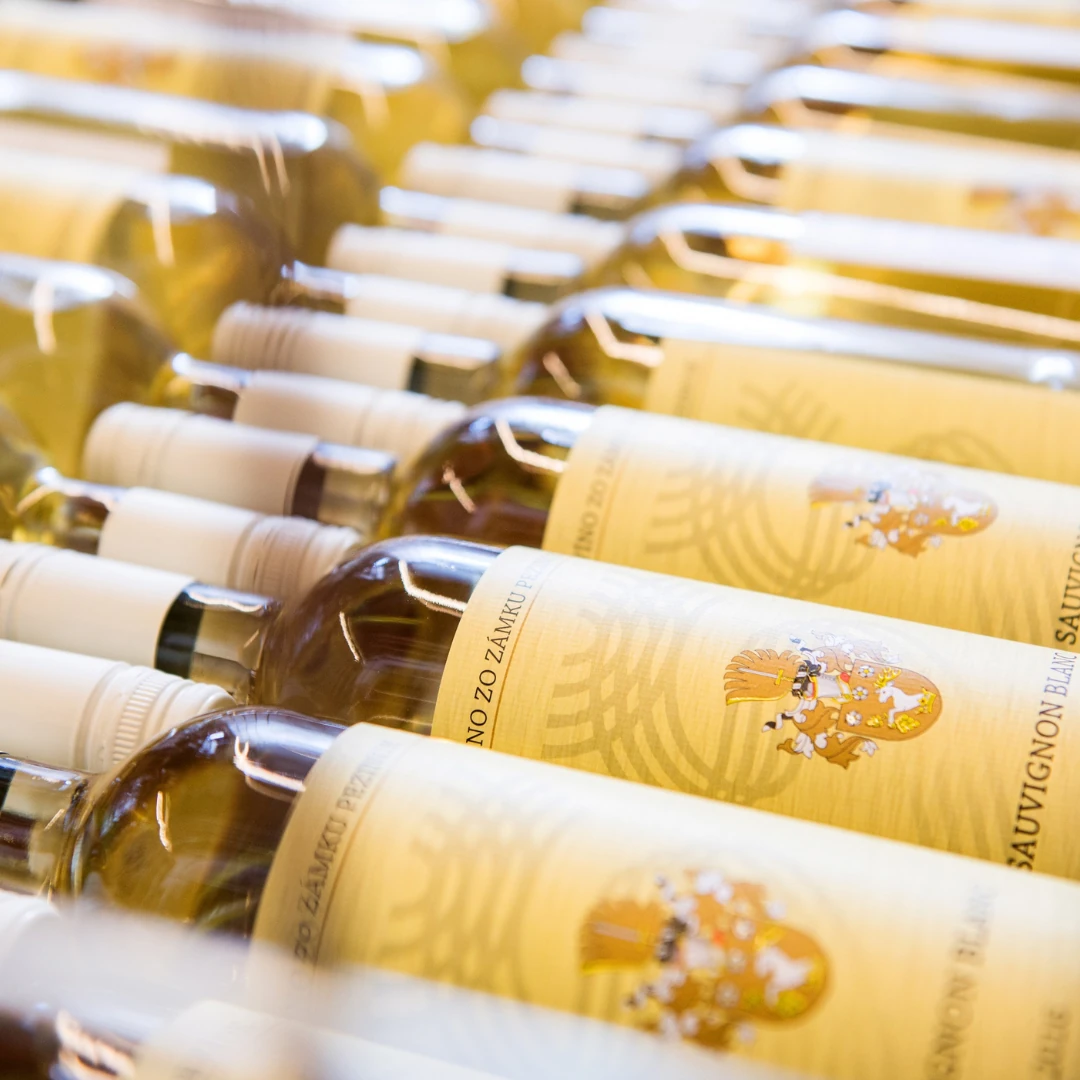
Most visitors associate the Small Carpathians (Malé Karpaty) primarily with wine. In this region, however, another tradition has grown up alongside viticulture, one that has become a symbol of western Slovakia: Modra ceramics. Potters were among the most important craftsmen in Modra, and in 1883 a ceramic workshop and school was founded here, whose tradition was later carried on by Slovenská ľudová majolika (Slovak Folk Majolica). Its characteristic hand-painted patterns have thus outlived an era in which many other crafts gradually disappeared.
A good place to begin an autumn weekend in this part of Slovakia is Palace Art Hoteli Pezinok. The castle itself adds another layer of artistic craft in the form of the International Gallery of Art Glass, and at the same time reminds us that the Small Carpathians are a land where craft has never been entirely separated from wine. From Pezinok it is natural to continue to nearby Modra, get to know the ceramic tradition, and return through a vineyard landscape that has its own typical look in autumn.
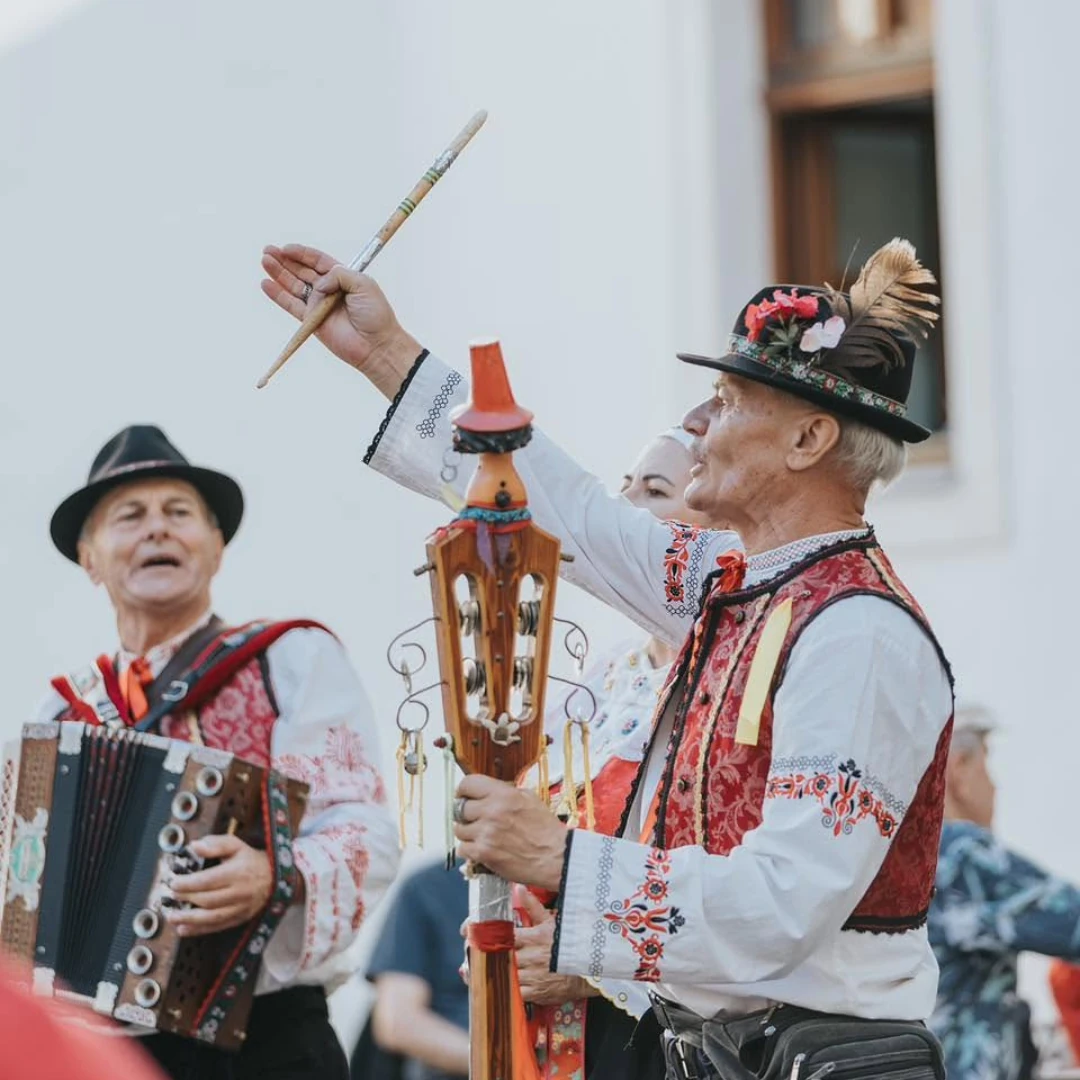
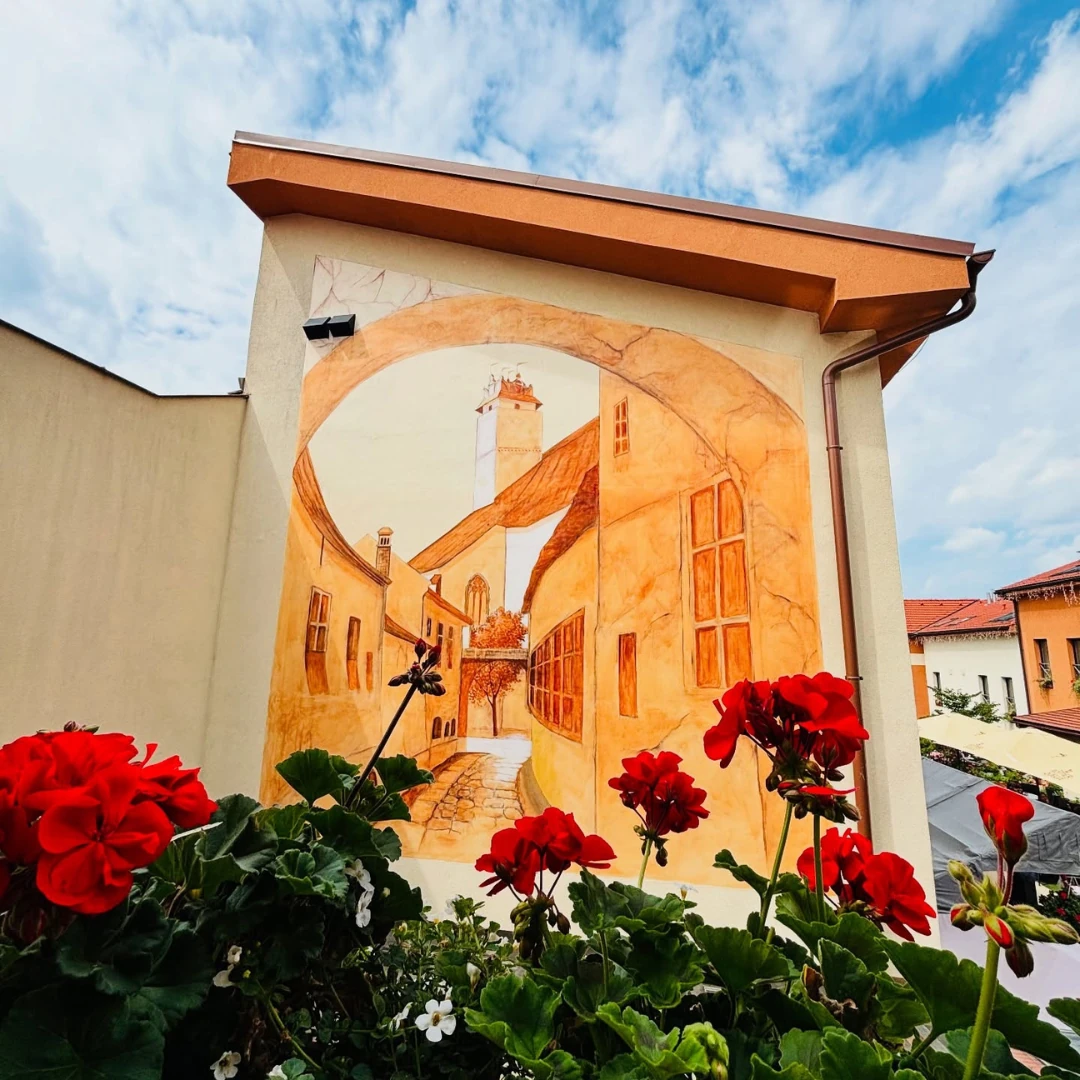
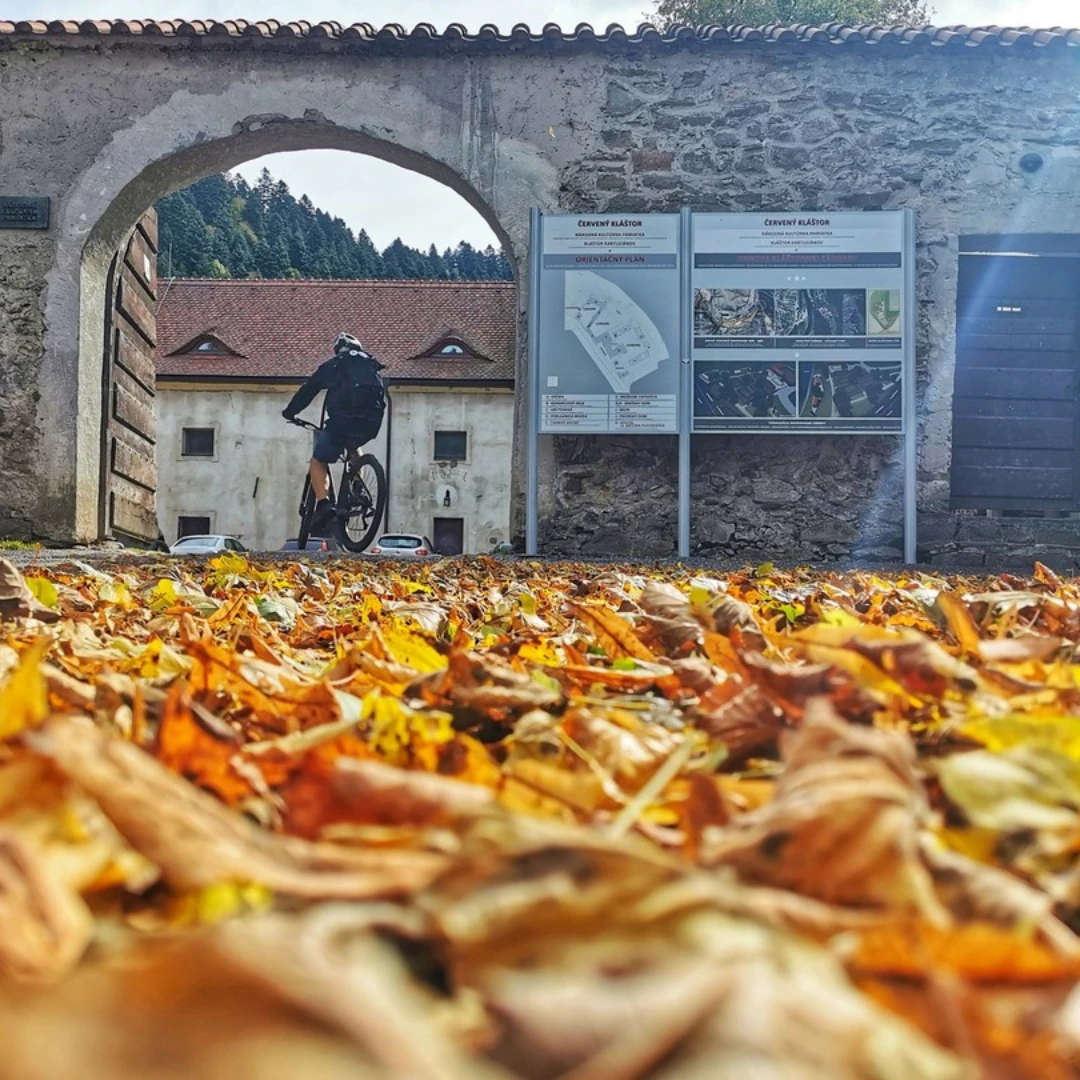
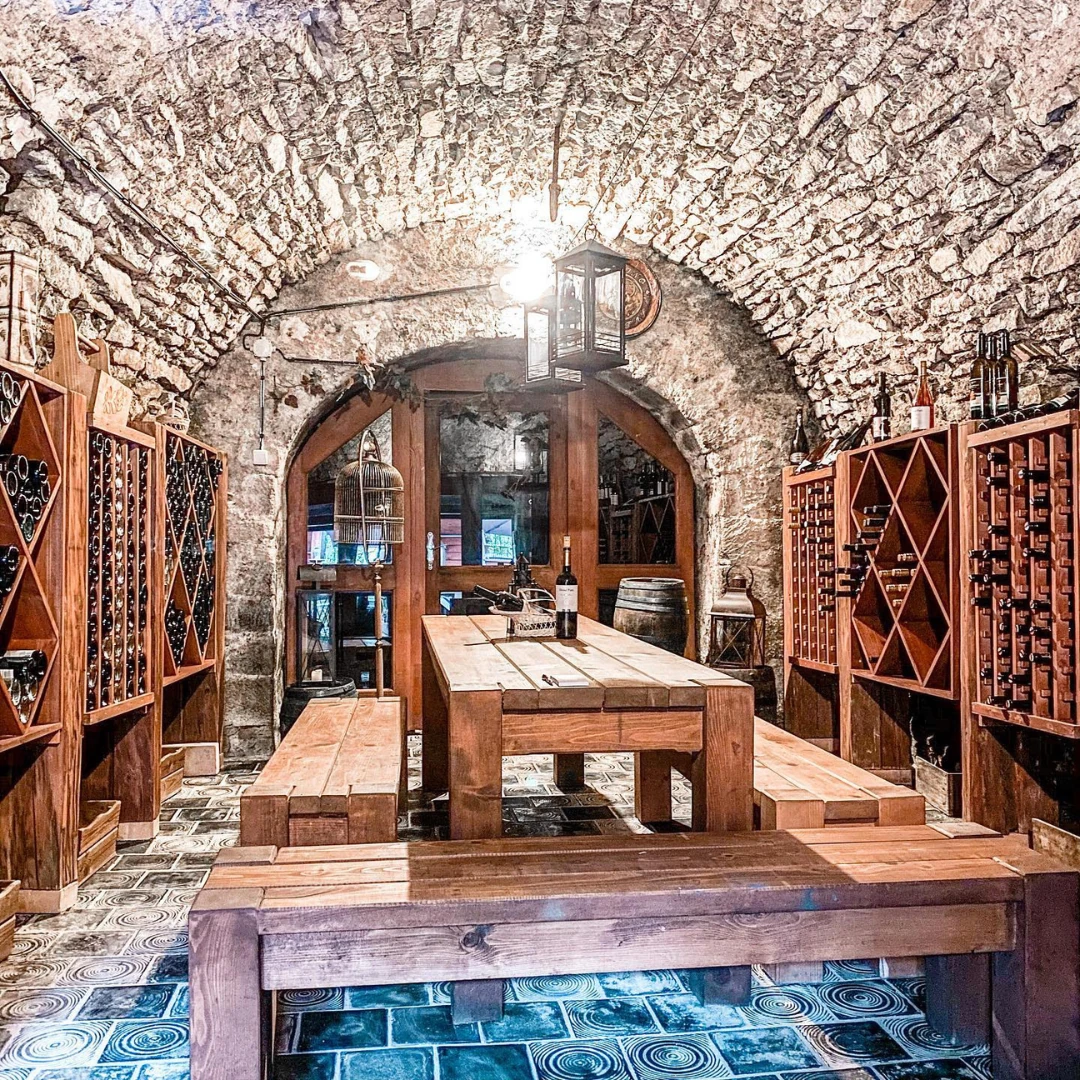
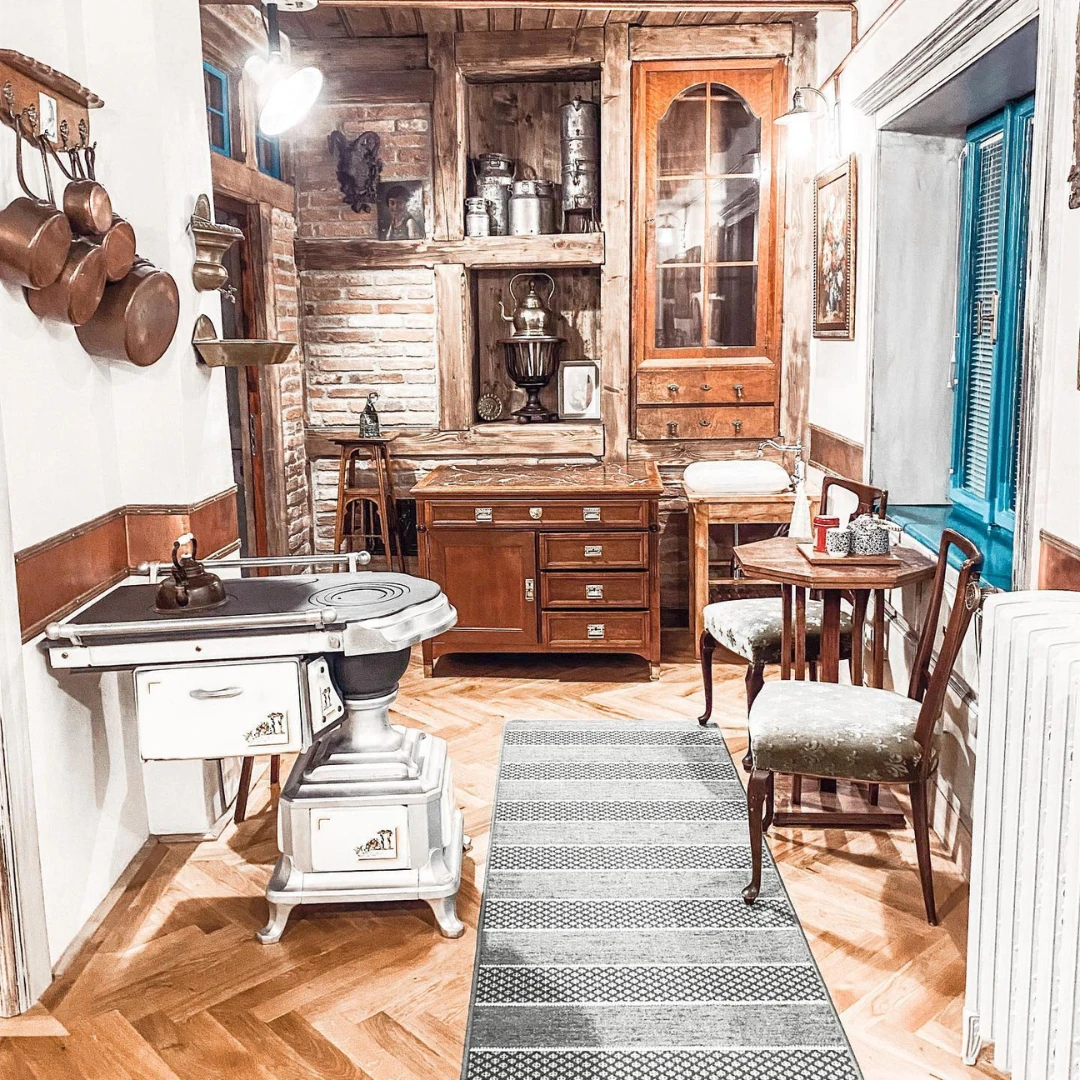
In the Podpoľanie region, tradition expresses itself differently. The area is closely tied to a distinctive folk culture, ornaments, music and woodwork. It is also home to the fujara, a musical instrument that UNESCO recognises not only as part of the traditional culture of central Slovakia but also as an artefact of considerable artistic value. Making it is, after all, not merely technical work. The long wooden body of the instrument is traditionally decorated with ornaments, and every maker puts a personal signature into it.
Hotel Grand Vígľaš can serve as a base for exploring Podpoľanie. The medieval castle stands near Zvolen and Detva, so a stay can be combined with a trip into a region where folklore still remains part of local identity. The royal history of Vígľaš and the folk culture of Podpoľanie exist here side by side, within a surprisingly small area.
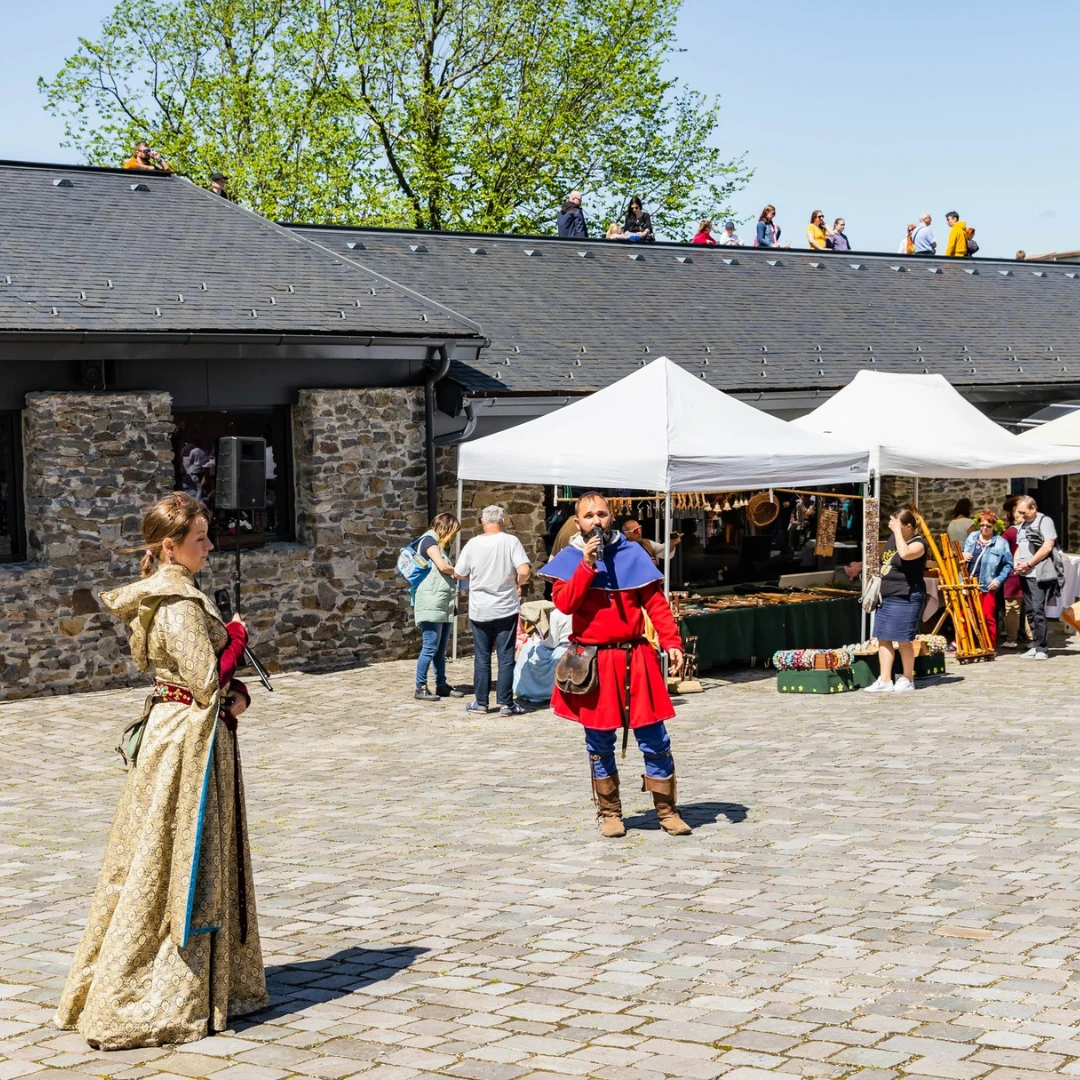
In Spiš, craft was practised for centuries mainly in the towns. Kežmarok was an important trading and craft centre, and at the end of the 17th century as many as 21 guilds were active here. Local cloth-makers and linen-weavers were well known, and their goods travelled far beyond the region’s borders. This tradition is continued today by the European Folk Craft festival (Európske ľudové remeslo), where one can see the work of blacksmiths, potters, weavers, wire-workers (drotári) and makers of traditional musical instruments.
Boutique Hotel Hviezdoslav stands right in the historic centre of Kežmarok, in four burgher houses from the 17th century. There is therefore no need to travel far to get to know the town’s craft past. It is enough to step out of the hotel into the streets where workshops, shops and guild houses once stood, and to look at the historic centre not merely as a collection of monuments but as the former workplace of generations of local masters.
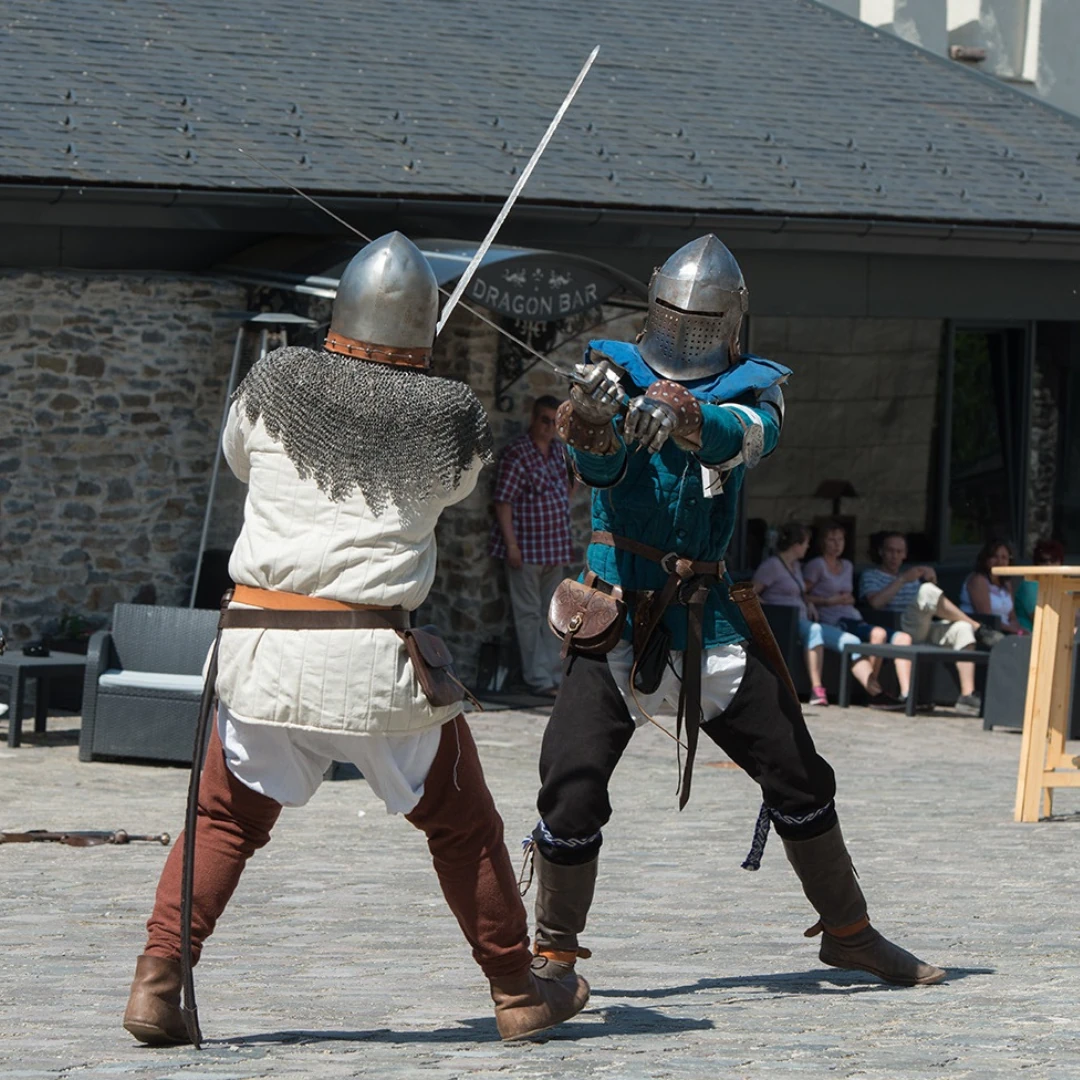
The fourth example is Banská Štiavnica, where crafts were shaped above all by mining. The extraction of precious metals required a whole range of expertise and skills, and it influenced the appearance of the town as well as the everyday life of its inhabitants. In the exhibitions of the Old Castle we can still find a blacksmith’s workshop and a pipe-maker’s workshop, and the town itself recalls its mining identity through traditions that survived the end of active mining.
Right in the historic centre of this UNESCO-listed mining town stands the member hotel Divná Pani. Accommodation in a burgher palace naturally complements the town’s technical and craft heritage. After a day devoted to mining monuments, old workshops and the lanes of Štiavnica, visitors do not return to anonymous lodgings outside the town, but stay right in the middle of the setting they have been exploring all day.
Craft Is Not Just What Has Remained in the Museum
Today we often know traditional crafts mainly from exhibitions, fairs and folklore events. Their true value, however, lies in knowledge that cannot be fully transferred into a book or a video.
A ceramicist must know how the material behaves under their hands. A fujara maker understands wood, sound and ornament. A weaver knows the rhythm of work that comes from repeating the same movements for hours. These skills were traditionally passed on through observation and practical experience.
Many crafts in Slovakia have therefore not remained merely a subject of historical research. The fujara and its music are inscribed on the UNESCO Representative List of the Intangible Cultural Heritage of Humanity. Slovak wire-working (drotárstvo), blueprint resist-dyeing (modrotlač) and the traditional craft training of ÚĽUV (the Centre of Folk Art Production) have likewise gained international recognition. This is not about nostalgia for the past, but about preserving knowledge that would simply vanish without further generations of masters.
For the traveller this means one more thing. They need not bring home only a photograph. They can take away an object whose origin they know, an encounter with the person who made it, or a better understanding of why a particular ornament, material or technique matters in precisely this place.
A Historic Hotel as Part of the Regional Story
When travelling in search of traditions, it makes sense to stay in surroundings that are historically connected with the region. The members of the Historic Hotels of Slovakia association can thus be a natural starting point for discovering it.
Palace Art Hotel Pezinok, Hotel Grand Vígľaš, Boutique Hotel Hviezdoslav and Divná Pani represent four entirely different types of historic accommodation: a castle in a wine-growing region, a medieval residence in the middle of Slovakia, burgher houses in a former craft town, and a palace in a UNESCO-listed mining town. Each of them makes it possible to go on getting to know the region even after the museums and workshops close.
A historic hotel is thus not just another item on the programme. It works as a base from which the region can be explored in a broader context. In the morning you can head for majolica, guild history or mining monuments, and in the evening return to a building that is itself part of the region’s history.
Slovakia Written into Its Materials
Ceramics, wood, textile, metal and glass are, at first glance, merely materials. In the hands of a craftsman, however, they take on a form by which an entire region can sometimes be recognised.
When you travel in search of crafts, the borders of regions begin to make a different kind of sense. You will come to know the Small Carpathians through ceramics, viticulture and glass; Podpoľanie through wood, ornament and music; Spiš through guilds and urban crafts; and Banská Štiavnica through its mining tradition and the professions that arose around it.
Autumn is a natural season for this kind of discovery. Not because crafts belong only to autumn, but because after summer journeys into nature comes a desire to step inside as well: into a workshop, a museum, a historic house or a wine cellar, and to look at the region from closer up.
Come and discover Slovakia together with SLOVAKIA TRAVEL, the national tourism promotion organisation, through traditions that have been preserved to this day. Behind every product remains the mark of the land, the material and the person who masters a craft handed down through generations.